
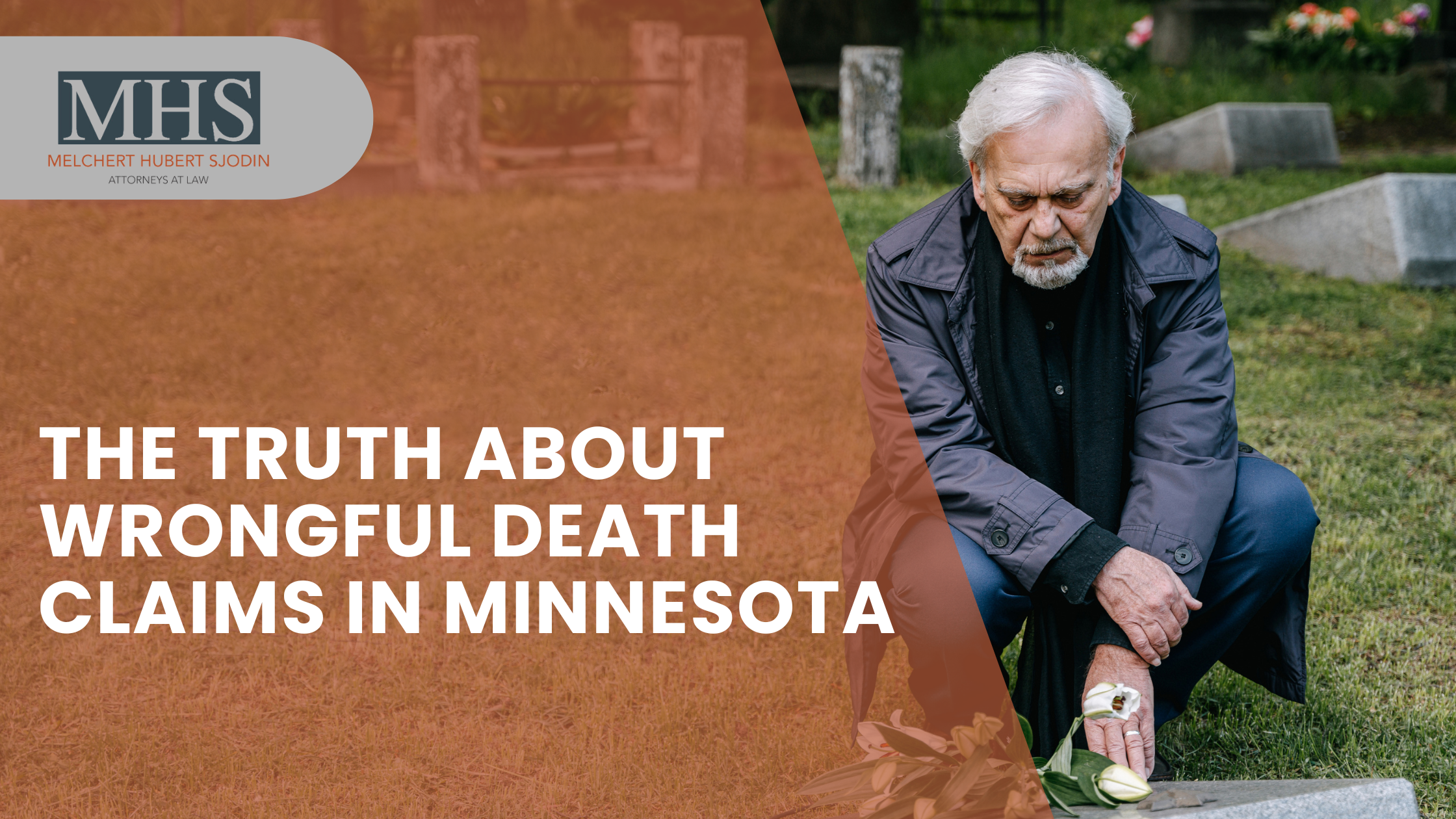
A wrongful death claim is one of the few legal actions that isn’t about the person bringing the lawsuit. It’s about holding someone accountable for causing a death—whether through negligence, reckless behavior, or an intentional act. Families dealing with an unexpected loss often face medical bills, lost income, and the emotional toll of losing a loved one. Minnesota law allows certain family members to seek financial compensation, but the process comes with strict legal requirements.
What the Law Says
Minnesota Statute § 573.02 governs wrongful death lawsuits. A wrongful death occurs when someone’s negligent or wrongful act leads to a fatality. This can include:
- A driver running a red light and causing a fatal crash
- A business failing to maintain safe premises, leading to a deadly fall
- A medical provider making a preventable error that results in death
- A violent assault that leads to fatal injuries
The law requires that a court-appointed trustee file the claim on behalf of the deceased person’s next-of-kin. The trustee is usually a close family member, such as a surviving spouse, adult child, or parent. The lawsuit can seek compensation for financial losses, such as lost income and funeral expenses, as well as the loss of companionship and guidance the deceased would have provided.
When the Law Applies
Wrongful death claims apply when a person’s death could have been the basis for a personal injury lawsuit if they had survived. That means the responsible party must have acted negligently or wrongfully. Some specific examples include:
- Car Accidents: If a driver was distracted, intoxicated, or speeding and caused a fatal crash, their estate or insurer could be held liable.
- Workplace Accidents: If an employer failed to follow safety regulations and a worker died as a result, a wrongful death claim might be possible in addition to workers’ compensation benefits.
- Medical Malpractice: If a healthcare provider misdiagnosed a condition or made a surgical error that led to death, surviving family members could pursue a claim.
- Defective Products: If a product manufacturer sold a dangerous or defective product that caused a fatal injury, they could be held responsible.
- Criminal Acts: Even if someone faces criminal charges for causing a death, a separate civil wrongful death claim can still proceed. In cases involving murder, there is no statute of limitations.
Why an Attorney Is Essential
Wrongful death claims have strict filing deadlines. In most cases, they must be filed within three years of the death. If more than six years have passed since the act that caused the death, the claim may no longer be valid—unless it involves murder.
Beyond deadlines, wrongful death cases often require:
- Proving negligence or wrongful conduct
- Calculating financial losses and future impact
- Handling court approval of settlements
- Negotiating with insurance companies that try to minimize payouts
Families dealing with a sudden loss shouldn’t have to manage legal complexities alone. A wrongful death attorney can handle the legal process, protect the family’s rights, and pursue the compensation they deserve.
Call Melchert Hubert Sjodin, PLLP
If you have lost a loved one due to someone else’s negligence or wrongdoing, contact Melchert Hubert Sjodin, PLLP at (952) 442-7700. We can review your case, explain your legal options, and help you take the next steps.
